

Why Home-Made Sausages Are Worth the Effort
A proper British pork sausage is a simple thing: pork, fat, seasoning, and a little rusk or breadcrumb to bind it. What most of us buy instead is a pale, watery approximation padded out with water and filler. Make a batch at home and you take back control of the fat content, the salt level, and the seasoning — and the payoff is a sausage that browns properly in the pan, stays juicy inside, and tastes unmistakably of pork.
The whole job takes an afternoon and needs nothing more exotic than a mincer, a stuffer attachment for your mixer, and a packet of natural casings. Get the basics right once and you will never look at a supermarket banger the same way again.
Start With the Right Cut and the Right Ratio
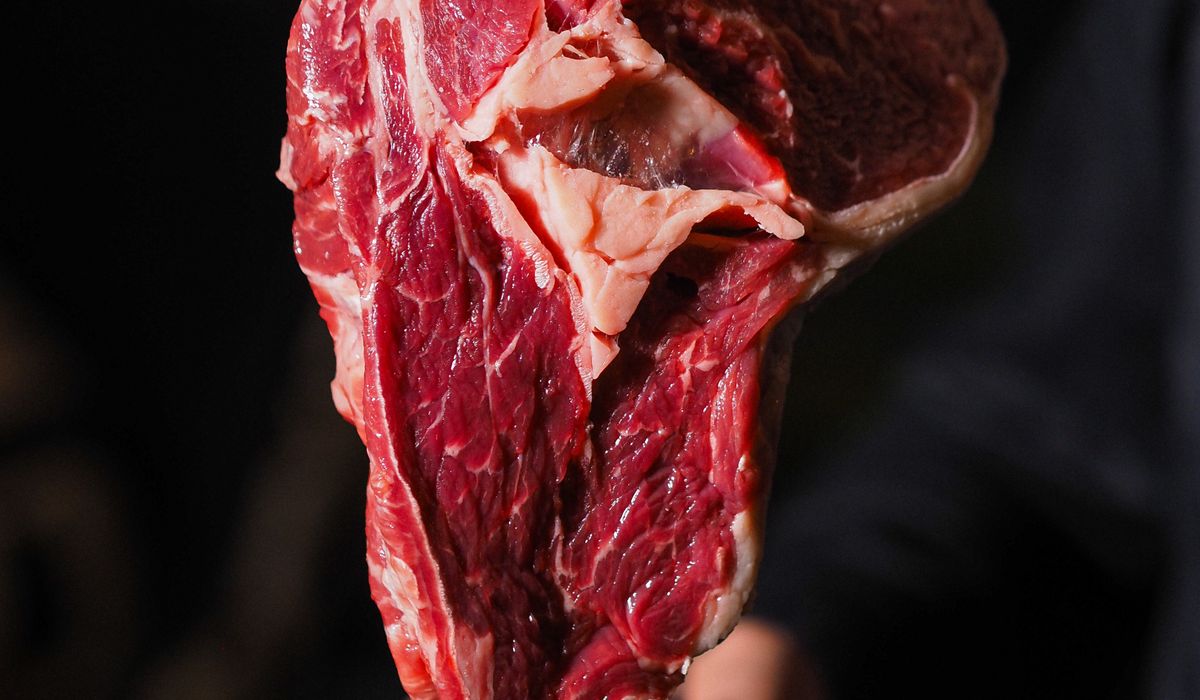
Pork shoulder is the classic choice, and for good reason. It carries enough intramuscular fat to keep the finished sausage moist without turning greasy, and it is forgiving if your temperatures drift. Ask your butcher for shoulder with the skin off, or boned shoulder with a decent cap of fat still attached.
The ratio matters more than the cut. Aim for roughly 70–75 per cent lean pork to 25–30 per cent fat. If the shoulder looks lean, ask for a little extra back fat to make up the difference. Sausages made with less than 20 per cent fat will taste dry and crumbly no matter how carefully you cook them.
- 1kg pork shoulder, diced into 2–3cm cubes
- 150g rusk, or stale white bread blitzed to coarse crumbs
- 150ml ice-cold water, or chilled pork or chicken stock
- 18–20g fine salt
- 3g ground white pepper
- 2g dried sage, rubbed fine
- 1g ground mace or nutmeg
Keep the meat and the mincer parts properly cold — put the diced pork in the freezer for 30 minutes before you start, and chill the bowl and blade too. Warm meat smears rather than cuts, and smeared fat makes a sticky, pasty sausage.
Seasoning That Tastes Properly Savoury
Traditional pork sausage seasoning is restrained: salt, white pepper, sage, and a whisper of mace or nutmeg. White pepper is used rather than black because it gives heat without dark flecks and without the sharp, almost bitter edge black pepper can bring to a cured-style mix.
Salt is doing more than flavouring here. At around 1.8–2 per cent of the total mix weight, it draws out the proteins that bind the sausage together, giving you that firm, springy texture rather than a loose crumble. Weigh it; do not guess.
Mix the dry seasonings with the rusk and the ice-cold water first, then add the diced pork and combine thoroughly. The mixture should look slightly tacky and hold together when squeezed in your hand.
The Chilling Step Most People Skip
Once mixed, cover the bowl and chill it for at least an hour, ideally overnight. This rest does two jobs: it lets the salt and spices work their way right through the meat, and it firms the fat so the mixture minces cleanly.
When you are ready, mince through a coarse plate (6–8mm). A coarse grind gives you the open, meaty texture of a proper butcher's sausage; a fine plate produces something closer to a hot dog.
Before you commit to stuffing, fry a small patty in a little oil and taste it. This is the single most useful habit in sausage making. Adjust the salt or sage now, while you still can, not after you have filled five metres of casing.
Stuffing Into Natural Casings
Use natural hog casings, around 32–34mm. They are sold packed in salt, so rinse them thoroughly under cold running water, then soak in warm water for 30 minutes and flush the inside through with the tap. This softens them and removes the saltiness.
Load the stuffer loosely, avoiding air pockets, and slide the casing on. Fill steadily, letting the sausage come off the tube under its own weight — do not overfill, or the skins will split when you link them. You want a sausage that feels firm but still gives slightly when pressed.
Twist into links about 10–12cm long, alternating the direction of each twist so the chain does not unravel. Leave the sausages in the fridge, uncovered, for an hour or two before cooking so the skins dry slightly and firm up.
Cooking Them So They Stay Juicy
Sausages need gentle, patient heat. In a frying pan, use medium-low with a tablespoon of oil or a smear of dripping, and turn them every few minutes for 20–25 minutes until deep golden all over. In the oven, 180°C (160°C fan) for 25 minutes works well, turning once. Either way, aim for an internal temperature of 71°C.
- Do not prick them. Every hole is juice lost, and a well-made sausage will not split if you cook it gently.
- Never crowd the pan — steam is the enemy of a crisp skin.
- Rest for two minutes before eating so the juices settle back into the meat.
- Freeze raw, separated, for up to three months and defrost overnight in the fridge.
Cook them like this and you will taste the difference immediately: a proper snap to the skin, a coarse and juicy interior, and that deep, savoury pork flavour that no amount of brown sauce can rescue from a mass-produced sausage.






John Doe
14 January, 2022Having no content in post should have adverse..
Chauffina Carr
10 April, 2022We use these tests all time! Killer stuff!
Jim Séchen
16 July, 2022Thanks for all the comments, everyone!