

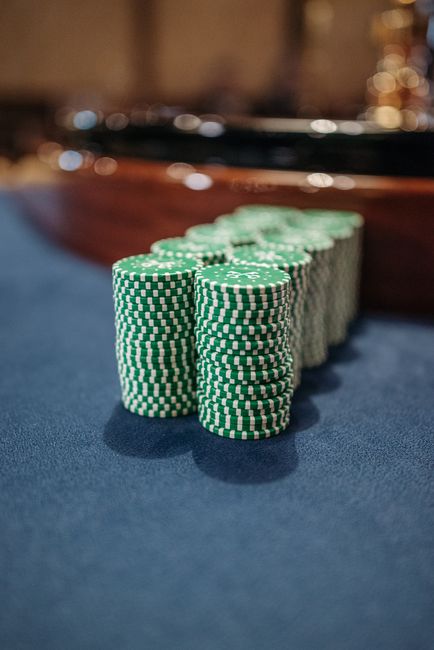
Last month, a friend of mine deposited €200 into a slot game, hit a 500x multiplier in under ten minutes, and immediately withdrew half of it. He felt like a genius. Two weeks later he'd given all of it back, plus another €300, chasing the same rush. That's the iGaming paradox in a nutshell: the games are fair, the odds are transparent, and most players still lose over time. Understanding why isn't about pessimism — it's about becoming the kind of player who actually enjoys this stuff without getting bled dry.
This piece isn't another "top 10 casinos" list. It's a grounded look at how casino games, betting markets, slots and poker actually work, what the numbers really mean, and where the smart money goes. Whether you're spinning reels for fun or grinding poker tables for profit, the same principles apply.
RTP, House Edge, and the Numbers Casinos Don't Shout About
Every game you'll ever play in an online casino has a built-in mathematical edge for the operator. That's not a scam — it's the business model, and in regulated markets it's disclosed. The key figure is Return to Player, or RTP. A slot with 96% RTP returns, on average, €96 for every €100 wagered over millions of spins. The remaining 4% is the house edge.
Here's where people go wrong. They see 96% and think "I'll lose 4%." In reality, you might lose 100% of your session bankroll or triple it, depending on variance. RTP only converges over an enormous sample size you'll never personally reach.
- Online slots: typically 94–97% RTP
- Blackjack (basic strategy): 99.5%+ — the best odds in the building
- European roulette: 97.3% (single zero)
- American roulette: 94.7% (that extra double-zero pocket is brutal)
- Casino war, keno, and most scratch cards: often below 95%
If you're picking games purely on expected value, blackjack and single-zero roulette beat almost everything else. Slots are entertainment-first products — and there's nothing wrong with that, as long as you know it.
Slots: Volatility Matters More Than You Think
Two slots can both have 96% RTP and feel completely different. That's down to volatility. Low-volatility games pay small amounts frequently, keeping your balance stable but rarely producing big wins. High-volatility slots like many Megaways titles can eat 200 spins without a sniff, then hand you a 1,000x win.
Ask yourself what kind of session you actually want. If you've got €30 and want two hours of entertainment, low volatility stretches it. If you're chasing a screenshot-worthy hit and don't mind busting fast, go high. Bonus features — free spins, expanding wilds, multipliers — are where the real variance lives. A slot's base game often pays under 40% of total RTP; the rest hides in the bonus round.
Practical slot tips that actually matter
- Check the RTP in the game's info panel before spinning. Some casinos quietly run lower-RTP versions of the same slot.
- Set a loss limit before your first spin, not after three bad bonuses.
- Don't chase progressives unless the jackpot justifies the brutal base-game RTP (often 85–90%).
- Bet sizes that let you survive at least 100 spins at your chosen stake.
Sports Betting: The Margin Is Everywhere
Sportsbooks don't beat you with rigged outcomes — they beat you with the vig, or margin, baked into every market. A fair coin toss should pay even money both ways. A bookmaker might offer 1.91 on each side instead of 2.00, keeping roughly 4.5% for themselves. That margin is why consistent long-term profit is genuinely hard. Readers looking for specifics may like kết quả bóng đá.
The sharpest bettors focus on three things: line shopping across multiple books, exploiting promotions and boosted odds, and betting markets where they have genuine informational edge. If you're betting on your favourite team every weekend because you love them, you're paying for entertainment — which is fine, as long as you call it that.
Bankroll management separates recreational punters from people who survive. A common approach is staking 1–3% of your bankroll per bet. If your bankroll is €500, you're betting €5–15 per pick. That feels boring. It's also why professionals don't go broke after a ten-bet losing streak.
Poker: The One Game Where You Can Genuinely Win
Poker is unique in iGaming because you're not playing against the house — you're playing against other people, and the house just takes a rake. That means a skilled player can have a positive expected value over time, which is impossible in slots or roulette.
But "can win" doesn't mean "will win." The modern online poker ecosystem is ruthlessly efficient. Recreational players are outnumbered by regulars, semi-pros, and bots on some networks. If you want to be profitable:
- Specialise. Pick one format (cash games, sit-and-gos, MTTs) and go deep.
- Use tracking software where permitted to review your own leaks.
- Study ranges, not just hands. Solvers and training sites have made preflop theory almost mandatory.
- Play at stakes where you're comfortable losing ten buy-ins without emotional damage.
Micro-stakes cash games are the best training ground in the entire iGaming world. The rake is proportionally painful, but the lessons are cheap and the competition is soft.
Licensing, Withdrawals, and Red Flags
Where you play matters as much as what you play. A legitimate operator holds a licence from a recognised regulator such as the MGA, UKGC, or a reputable national authority. That means segregated player funds, third-party-audited RNGs, and a formal complaints process.
Watch out for these warning signs:
- Withdrawal delays measured in weeks rather than hours or days
- Bonus terms with 50x wagering on both deposit and bonus, with max cashout caps
- No clear licence number in the footer
- Customer support only via email and only during odd hours
- Aggressive reactivation offers after you've self-excluded
Reputable casinos process e-wallet withdrawals in under 24 hours and crypto in minutes. If a site makes cashing out feel like a negotiation, leave.
The Bottom Line
iGaming is a mature, regulated, and genuinely enjoyable form of entertainment — provided you go in with your eyes open. The games are designed to be fun, the operators are designed to profit, and the only person who can protect your bankroll is you. Treat slots and betting like a night out with a set budget. Treat poker like a skill hobby you're willing to study. And never, under any circumstances, deposit money you'd be upset to lose. The house always has the edge. Your job is making sure it doesn't have your rent money too.






John Doe
14 January, 2022Having no content in post should have adverse..
Chauffina Carr
10 April, 2022We use these tests all time! Killer stuff!
Jim Séchen
16 July, 2022Thanks for all the comments, everyone!